
Mining Indaba 2026 convened leaders, operators, policymakers, investors, and sustainability professionals from across the globe to examine the future of mining in Africa. The conversations this year were layered and forward-looking — spanning ESG execution, sustainability frameworks, critical minerals strategy, infrastructure development, technological transformation, and the evolving future of employment within the sector.
What stood out most was the shared recognition that mining across Africa is at an inflection point. The industry can no longer rely on legacy models. Governance, community integration, environmental stewardship, and long-term value creation must now operate as core pillars — not peripheral considerations.
ESG Beyond Theory
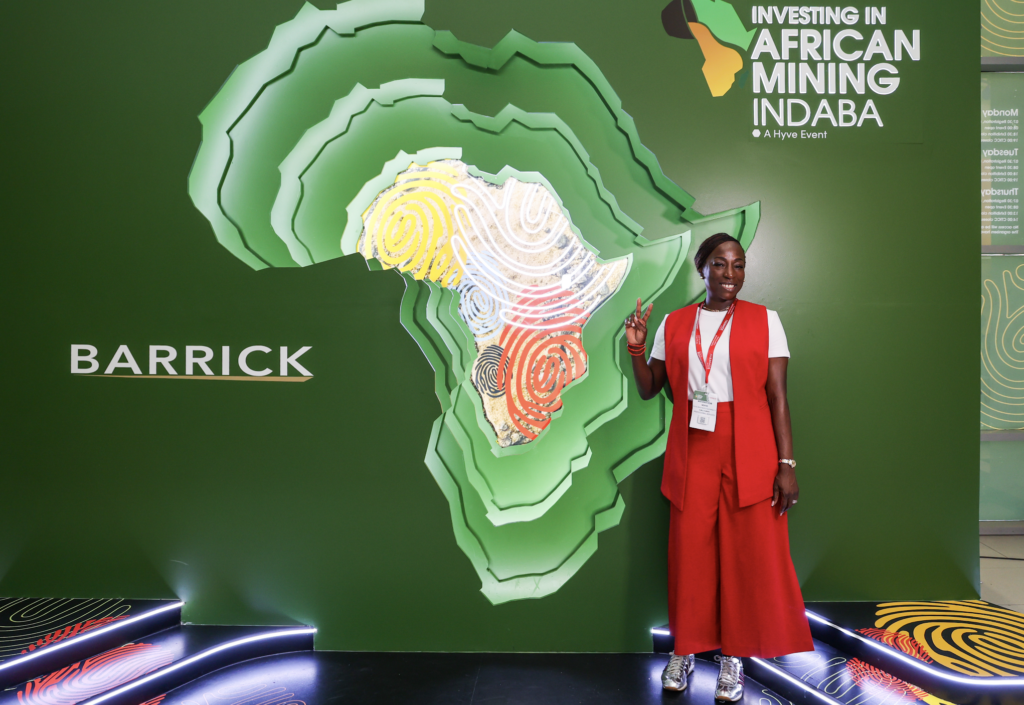 Across panels and private discussions, there was a clear consensus: ESG must move beyond compliance and intention into disciplined execution.
Sustainability is no longer a communications strategy. It is increasingly tied to value protection, investor confidence, operational resilience, and long-term competitiveness. Companies that embed ESG into decision-making structures, risk frameworks, and community engagement models are better positioned to thrive in an increasingly complex environment.
For me, these conversations reaffirmed why responsible mining must be structured, accountable, and community-centered.
A Meaningful Conversation on Inclusion
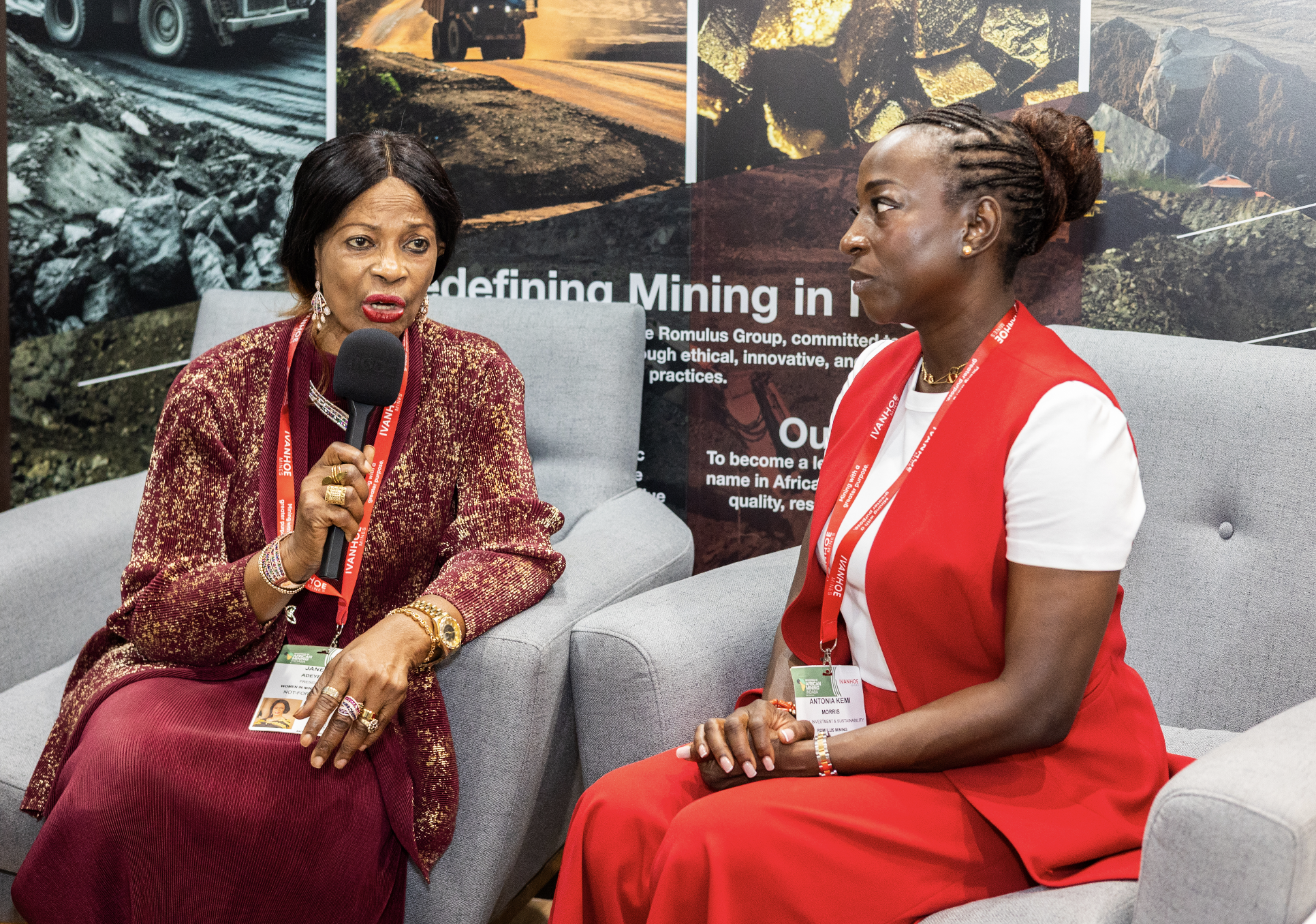 One particularly meaningful moment during the Indaba was my interview with the National President of Women in Mining Nigeria, Engr. Hon. Janet Adeyemi.
Our discussion focused on two areas that remain critical to the long-term credibility of the sector:
-
Child protection within mining communities
-
Women’s participation and leadership across the mining value chain
We explored how informal mining environments, socio-economic vulnerabilities, and structural gaps can expose children and women to risks — and how industry stakeholders must collaborate to address these issues responsibly.
Women’s inclusion in mining is not simply a diversity objective. It is about unlocking talent, strengthening governance, broadening technical capacity, and building more balanced community relationships. When women participate meaningfully in mining — as operators, engineers, regulators, investors, and sustainability leaders — the sector becomes stronger, more accountable, and more future-ready.
Child protection, likewise, requires coordinated action between companies, community leaders, government agencies, and civil society. Responsible mining must include deliberate safeguards that protect vulnerable populations and create pathways for education, skills development, and economic participation.
These themes continue to shape global conversations around responsible extraction and sustainable development.
Community Integration as Strategy
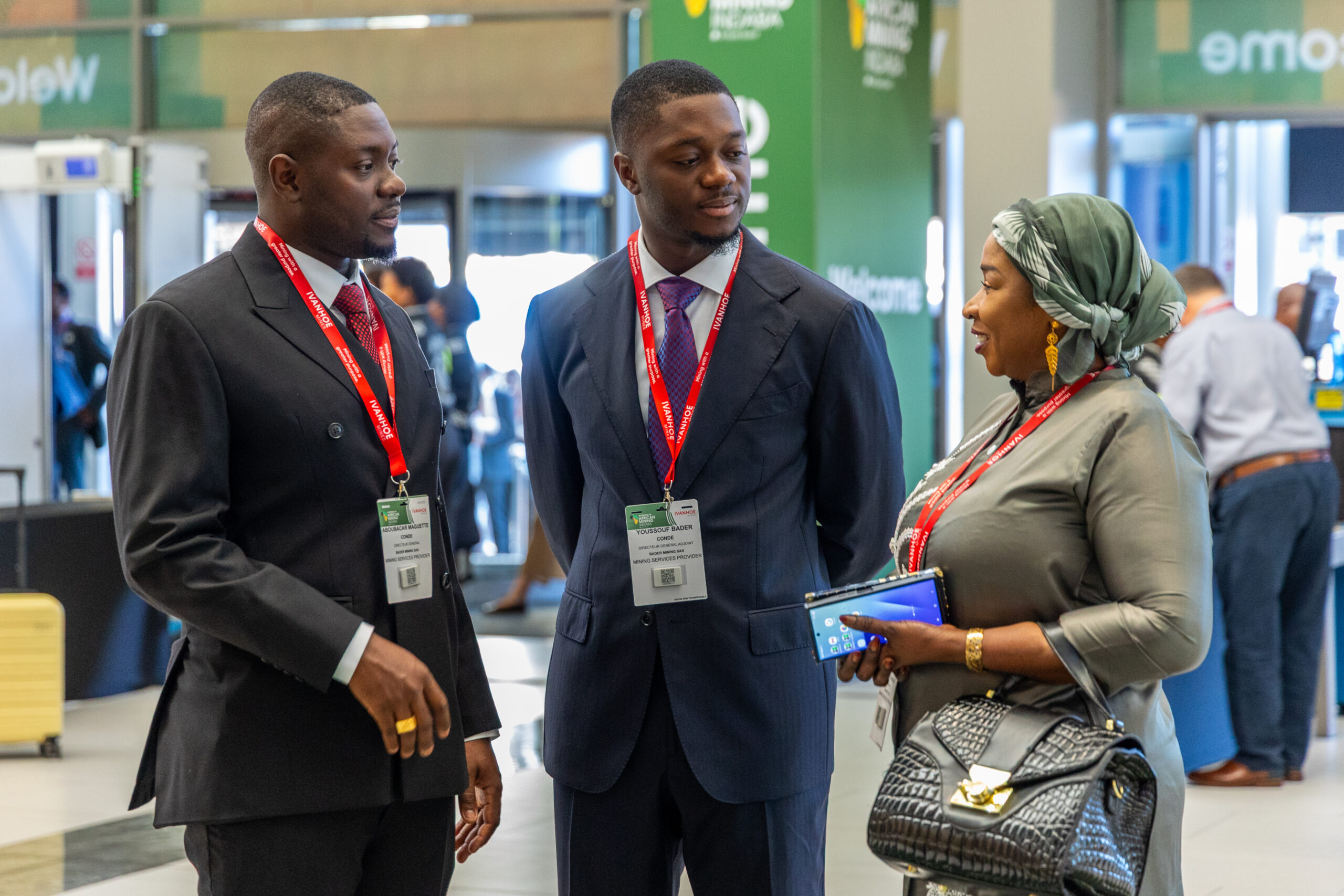 A recurring theme throughout the week was the question of trust.
How do mining companies build durable trust with host communities?
How do operators move from transactional engagement to long-term partnership?
The answer lies in structured community integration — not one-off interventions. Infrastructure development, employment pathways, environmental stewardship, grievance mechanisms, and transparent communication must be woven into operational strategy from the outset.
Mining cannot exist in isolation from its social environment. Sustainable value creation requires alignment between miners, communities, regulators, and investors.
Alignment with Responsible Practice
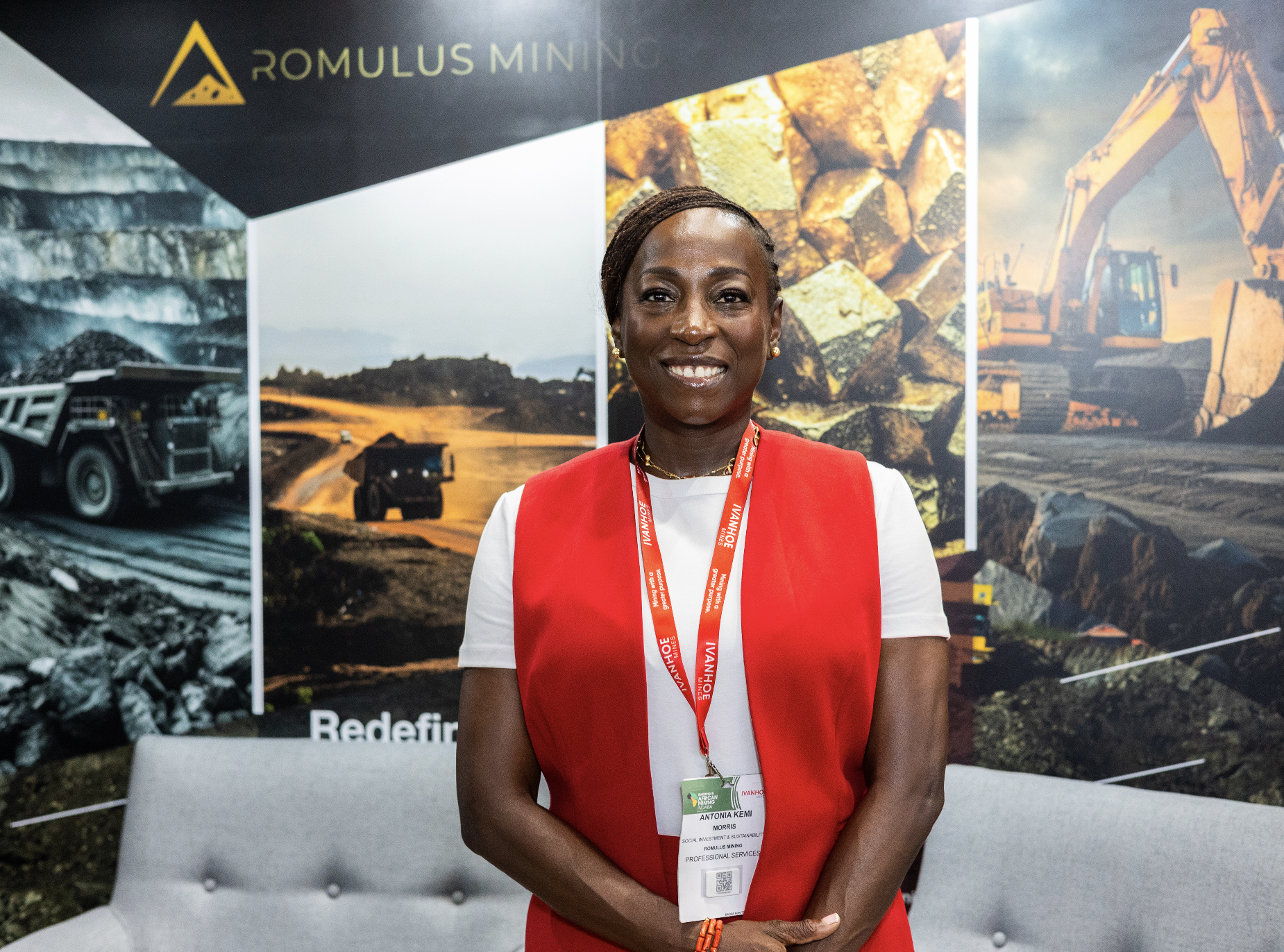 These reflections align closely with Romulus Mining’s ESG focus, particularly around:
- Structured community engagement
- Social accountability
- Governance frameworks
- Long-term value creation
As Sustainability & ESG Lead, I am intentionally deepening my technical and structural understanding of the solid minerals space because I believe that mining in Nigeria — and across Africa — must be done responsibly, transparently, and with long-term societal benefit at its core.
The future of mining on the continent will be shaped not only by mineral reserves and capital flows, but by governance quality, community trust, inclusion, and disciplined execution of sustainability commitments.
Looking Ahead
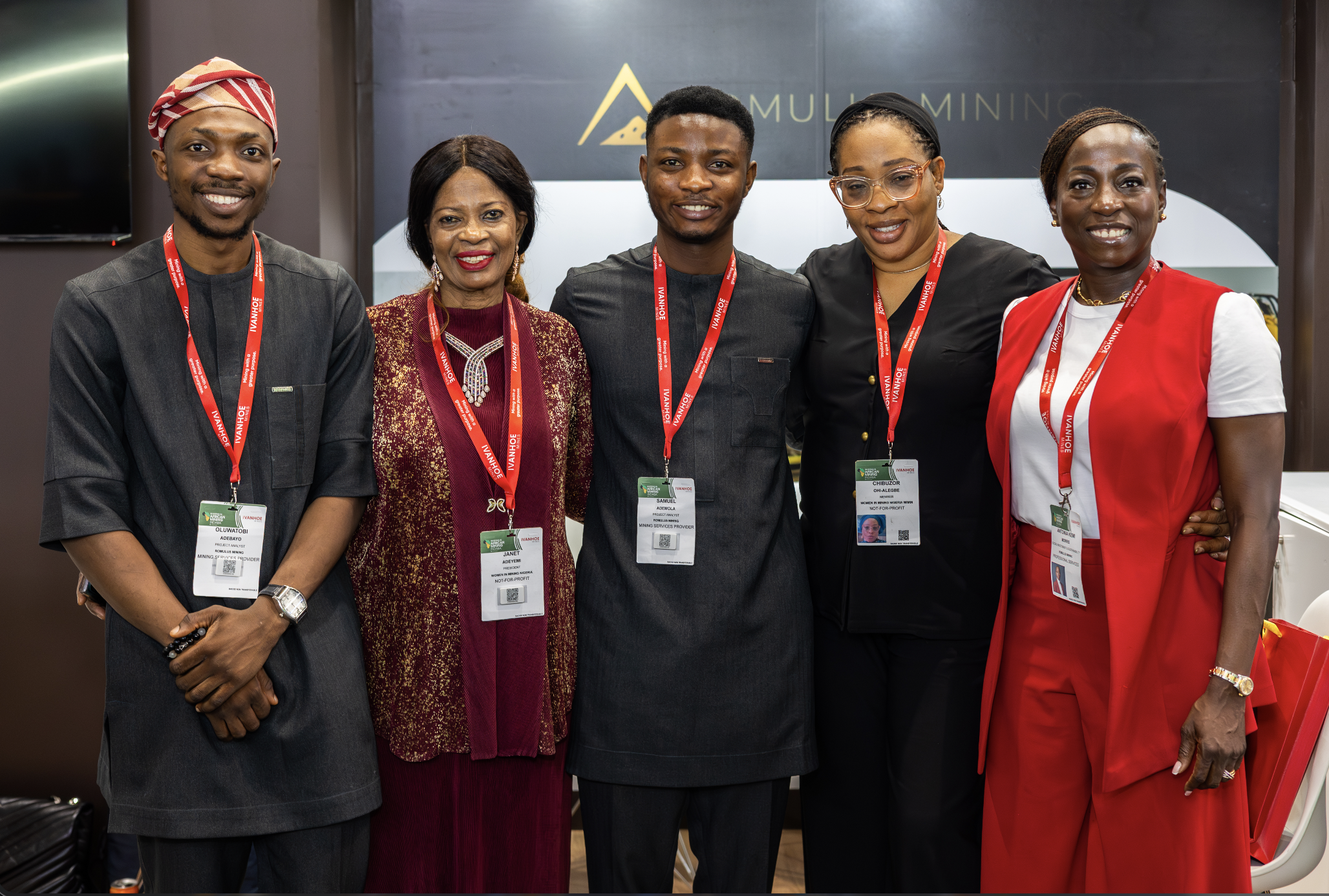 Mining Indaba 2026 was not merely a conference. It was a reminder that Africa’s mining future is being shaped in real time — through policy dialogue, investor expectations, community voices, and leadership decisions.
The conversations continue beyond Cape Town.
Grateful to have participated in these discussions and to contribute to the evolving dialogue around responsible mining in Africa.
📍Mining Indaba 2026 | Cape Town
#MiningIndaba2026
#RomulusMining
#WomenInMining
#ESG
#AfricanMining
#Sustainability